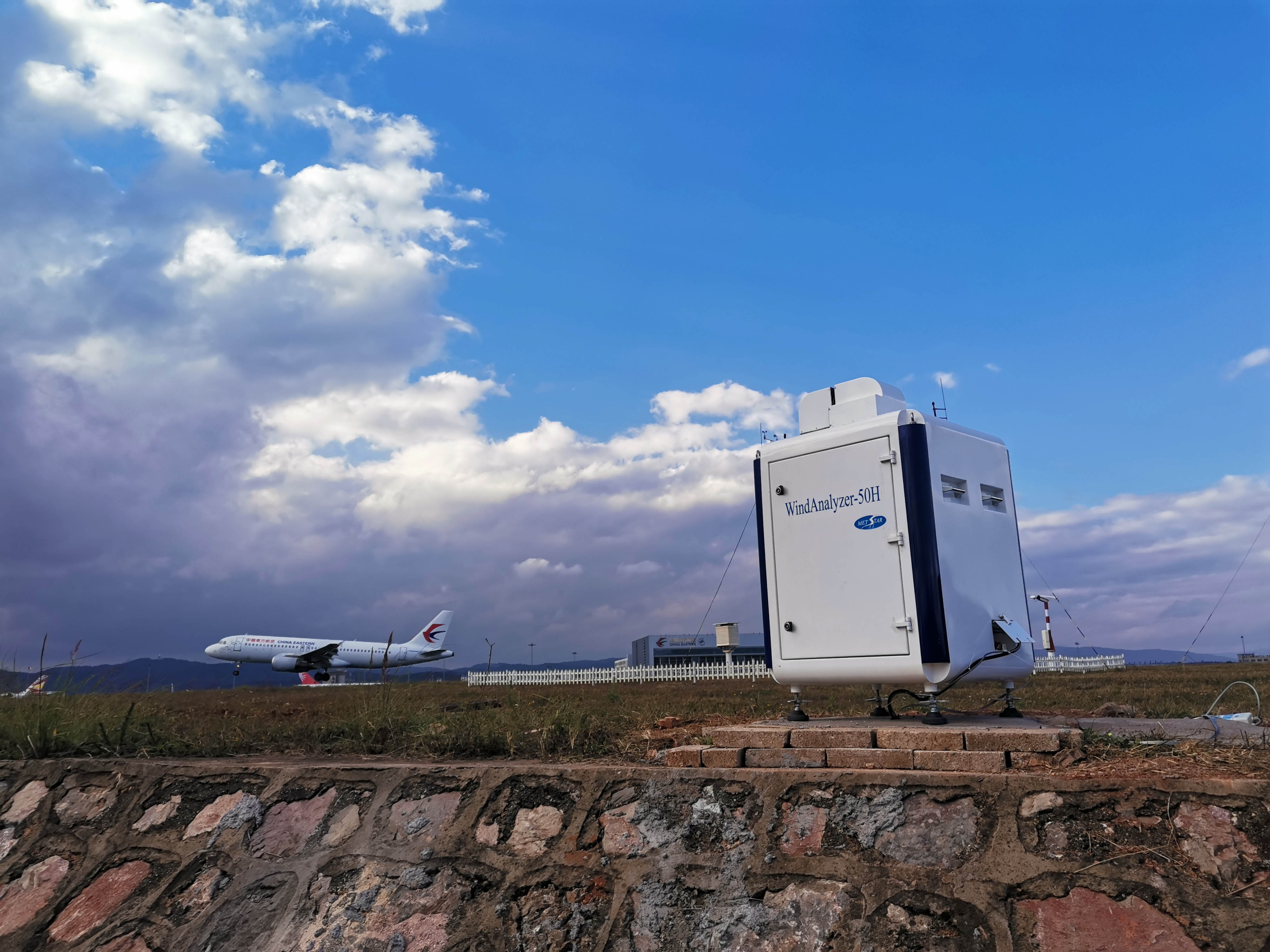
Medium-Range Scanning Doppler Wind Lidar

summary

Introduction to progressiveness Application Cases Technical Specifications

Introduction to progressiveness

雷达体制

采用一维数字有源相控阵、全固态、收发全数字全相参、脉冲多普勒,双偏振。

数据质量

波束偏离法向天线发射和接收波束宽度、天线增益指向一致性等影响雷达探测精度和数据质量的参数发生变化通过标定和订正,降低对数据质量影响。

扫描策略

窄发窄收、宽发窄收、单波束、多波束、分辨率脉压比等参数设置和波束复用等技术如何使用,数据格式如何优化才能发挥相控阵雷达的作用。

应用案例

天津智慧气象建设工程-大城市灾害性天气观测子系统项目中,基于S波段业务雷达数据进行大小雷达组网融合,指挥X波段相控阵雷达进行协同工作;

X波段相控阵雷达基于组网融合对天气过程的分析,在识别出天气类型后,协同使用针对性的观测模式,以更好地服务强对流的监测和预警服务。

Technical Specifications

ITEMS

WindAnalyzer-50H

Technology

Scanning   Doppler wind measuring system

Detection range

50m~10000m

range resolution

60m/120m/ User Setting 

Speed range

-55m/s~55m/s

Speed precision

0.5m/s

Profile data update rate

5sfastest

Maximum scanning speed

40°/s

Scan mode

RHI: Constant azimuth scan

PPI: constant pitch Angle scanning

DBS: Vertical profile

LOS: Continuous measurement with fixed line of   sight

GPS: Glide scan mode

communication

Ethernet/LAN or 4G wireless communication (selectable)

Output products

PPI/RHI/VOL Wind speed display

LOS Fixed-point line of sight wind speed display

DBS Wind field profile

Wind shear warning of glide path

Backscattering intensity

Atmospheric Temperature(selectable)

Atmospheric Pressure(selectable)

Relative Humidity(selectable)

Power consumption

400W(400W with heating)

Mains (AC) supply

220V/50Hz

Dimensions

700mm×700mm×1300mm

Weight

130kg

Operational temperature

-40~50

IP Grade

IP65